Now Reading: Japan earthquake: Tsunami advisory lifted after magnitude 6.7 earthquake
-
01
Japan earthquake: Tsunami advisory lifted after magnitude 6.7 earthquake
Japan earthquake: Tsunami advisory lifted after magnitude 6.7 earthquake

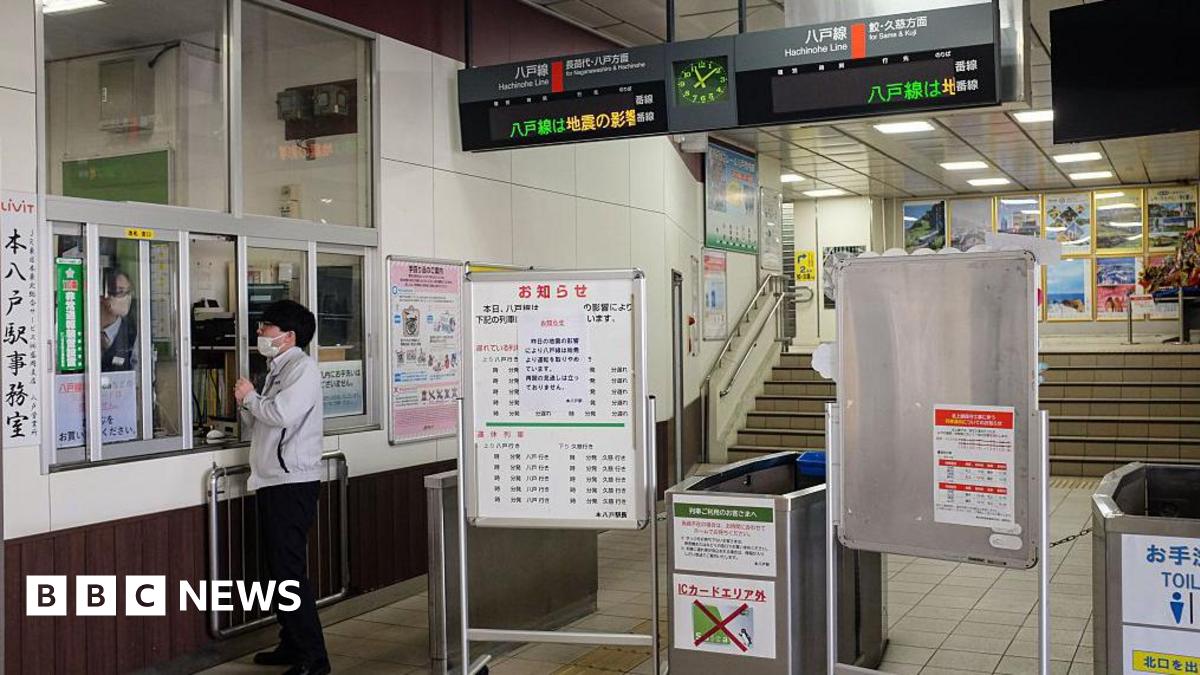
Japan is bracing for the ‘big one’published at 05:18 GMT
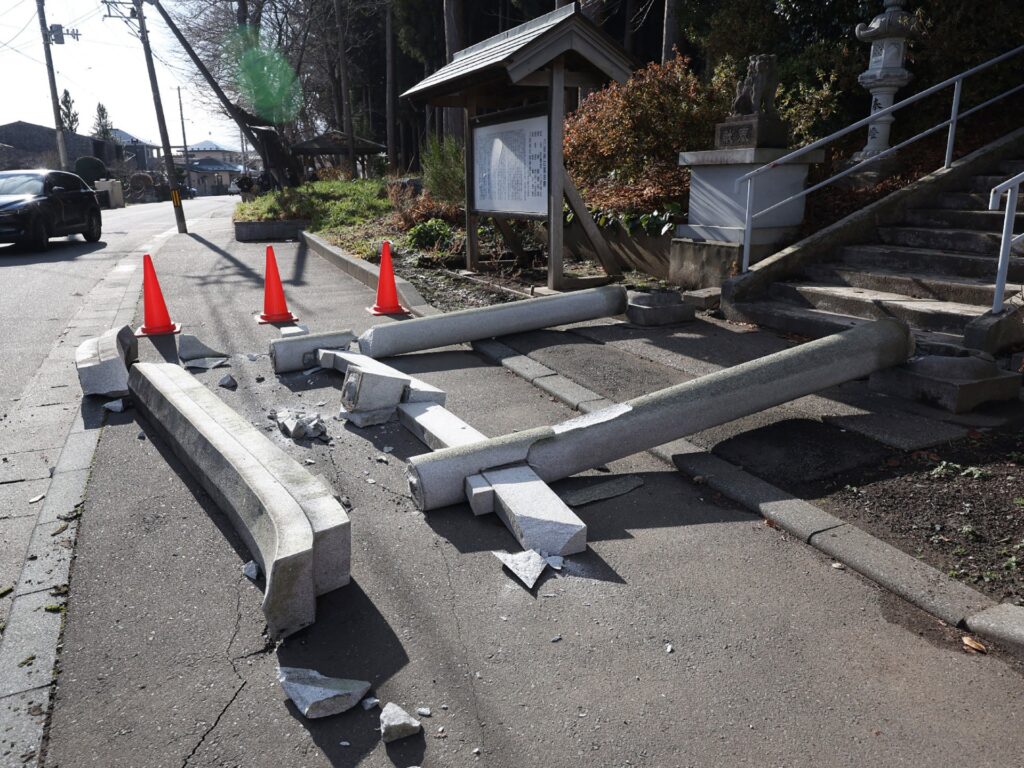
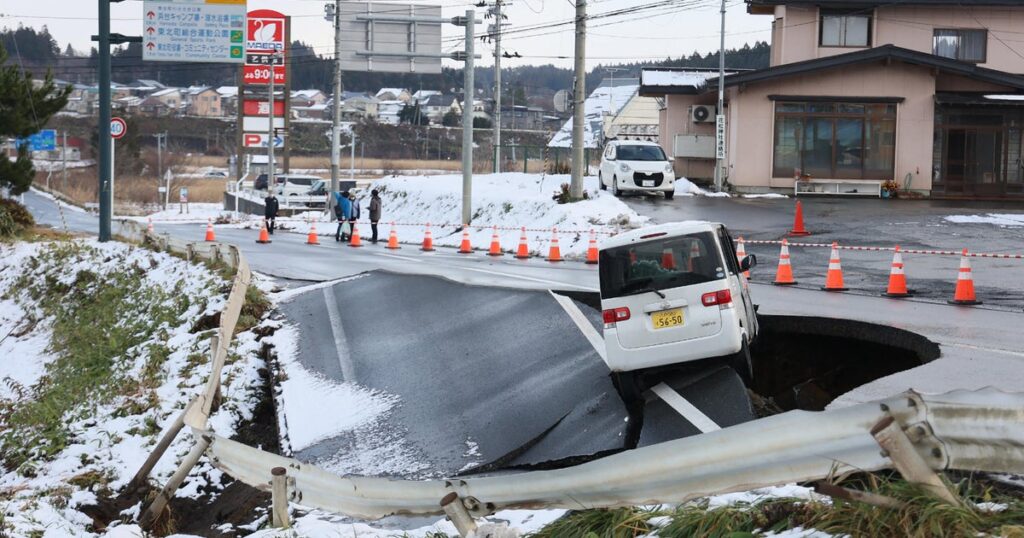
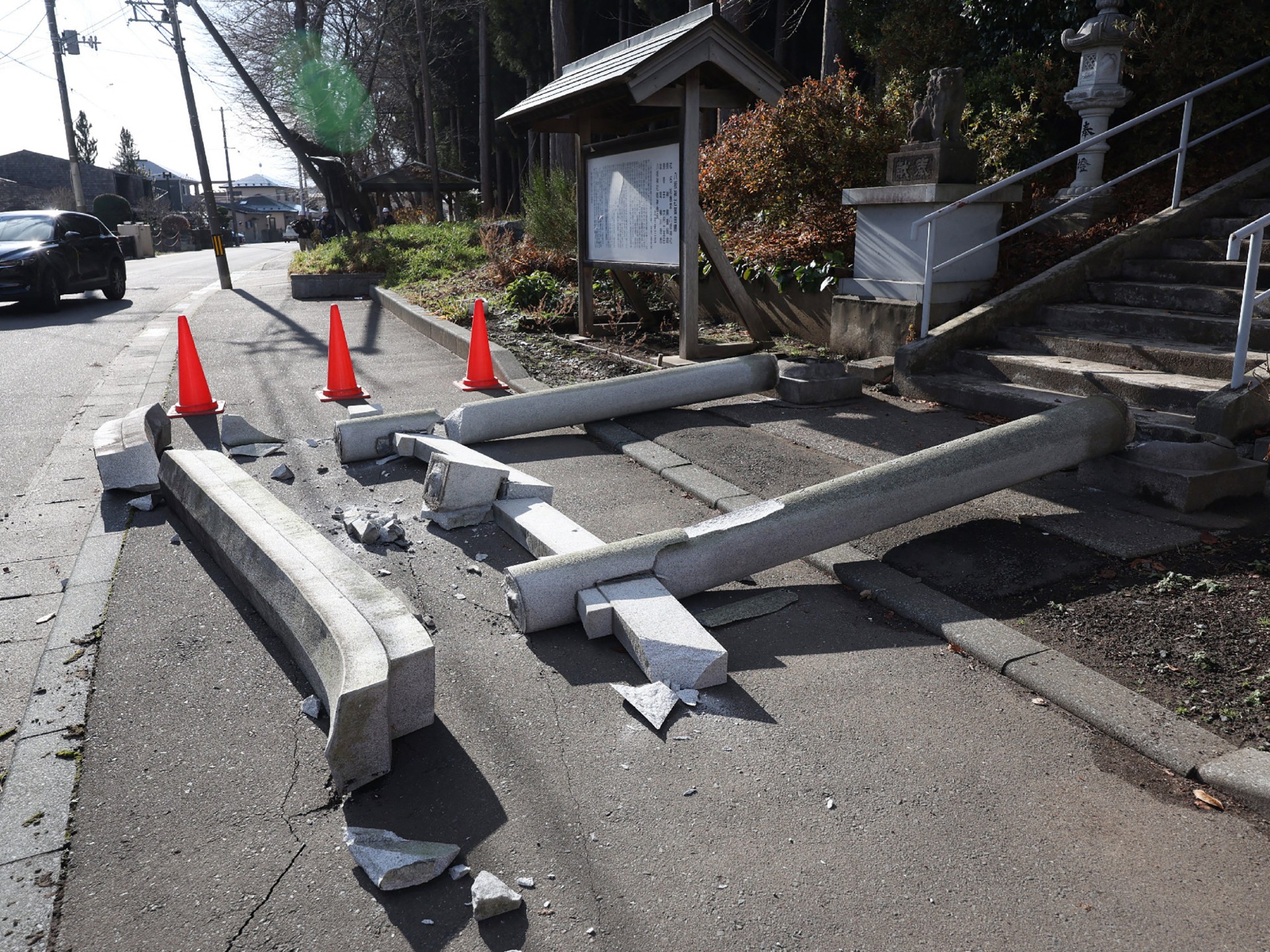
After a magnitude 7.5 earthquake struck north-eastern Japan on Monday, authorities again warned of the possibility of a future megaquake.
For a while now, Japan has been bracing for the “big one” – a once-in-a-century quake.
These so-called “megathrust” earthquakes tend to strike every hundred years or so, often in pairs: the last ones were in 1944 and 1946.
In September, Japan’s earthquake investigation panel said there was a 60-90% chance that a megaquake would occur in the Nankai Trough – an area of seismic activity which stretches along Japan’s Pacific coast – within the next 30 years.
They had warned earlier that such an event could trigger a tsunami of more than 20m (66ft), causing around 300,000 deaths and trillions of dollars in economic damage.
Related Posts

Stay Informed With the Latest & Most Important News
Previous Post
Next Post










Advertisement