Now Reading: EU backs Somalia after Israel recognizes Somaliland – DW – 12/28/2025
-
01
EU backs Somalia after Israel recognizes Somaliland – DW – 12/28/2025

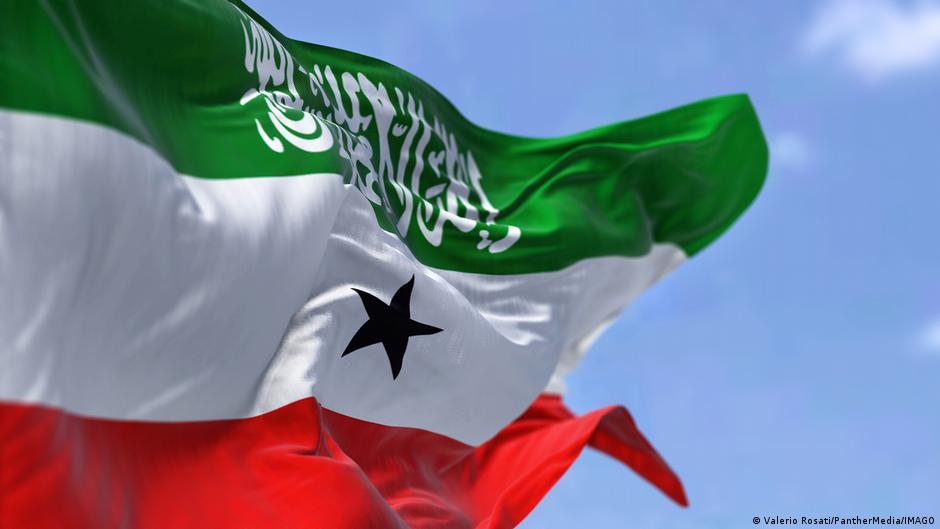
The European Union on Saturday called for Somalia’s territorial integrity to be upheld after Israel became the first country to formally recognize the breakaway region of Somaliland as an independent state.
Israel’s move, a day earlier, has been denounced internationally, with many African and Middle East nations insisting that Somalia’s borders can’t be changed unilaterally.
What did the EU say?
EU foreign affairs spokesman Anouar El Anouni said the bloc “reaffirms the importance of respecting the unity, the sovereignty and the territorial integrity of the Federal Republic of Somalia.”
“This is key for the peace and stability of the entire Horn of Africa region,” the spokesman said in a statement.
“The EU encourages meaningful dialogue between Somaliland and the Federal Government of Somalia to resolve long-standing differences,” El Anouni added.
Somalia denounces Israel’s ‘illegal aggression’
Somalia’s government reacted with fury at Israel’s announcement, labeling it a direct assault on its sovereignty.
Officials in Mogadishu said they would pursue diplomatic and legal measures to counter what they called an “unlawful” and “deliberate” attempt to legitimize secession.
President Hassan Sheikh Mohamud accused Israel of violating international norms, insisting Somaliland remains an integral part of Somalia.
Wave of international rejection
Several governments and regional bodies also swiftly rejected Israel’s move. Egypt, Turkey, Djibouti and members of the Gulf Cooperation Council condemned the recognition, warning it risked destabilizing the Horn of Africa and the Red Sea corridor.
The African Union and East African bloc IGAD reiterated their longstanding position that Somalia’s borders are internationally recognized and cannot be altered unilaterally.
Nigeria and several Middle Eastern states also issued statements urging countries to refrain from recognizing breakaway regions.
A joint declaration from more than 20 nations and the Organization of Islamic Cooperation warned of “serious repercussions” for regional and global security.
The United States said it continued to recognize Somalia’s territorial integrity, including the territory of Somaliland.
Why has Israel acted now?
Israel framed the step as part of the expanding network of partnerships inspired by the Abraham Accords, which have opened diplomatic and economic channels between Israel and several Arab and Muslim‑majority states since 2020.
The Abraham Accords were mostly signed during US President Donald Trump’s first term in office and with mediation from Washington.
But despite Trump’s return to the White House at the start of this year, no new Arab countries have joined the accords, with the war in Gaza complicating any potential agreements.
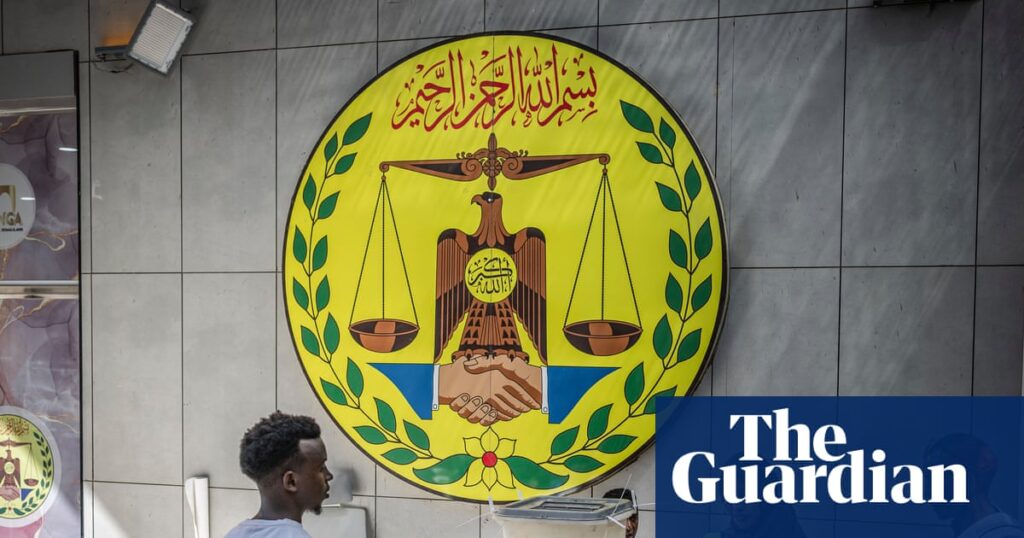
Somaliland, which has operated as a de facto state since 1991 with its own institutions, currency and security forces, hopes Israel’s recognition will break decades of diplomatic isolation and encourage other countries to follow suit.
Edited by: Rana Taha
Related Posts
Stay Informed With the Latest & Most Important News
Previous Post
Next Post








Advertisement