Now Reading: Internet blackout in Iran as large anti-government protests held across country
-
01
Internet blackout in Iran as large anti-government protests held across country
Internet blackout in Iran as large anti-government protests held across country

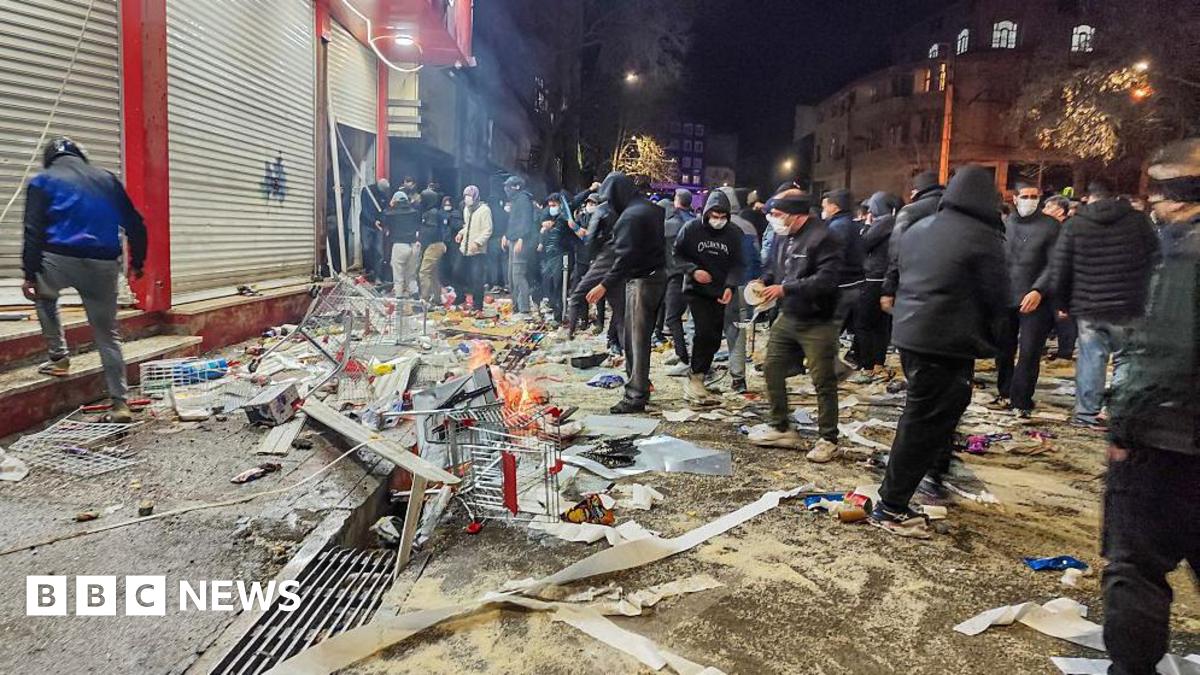

Protests and US warnings shake Iran at its weakest point in yearspublished at 21:16 GMT
Amir Azimi
Editor, BBC Persian
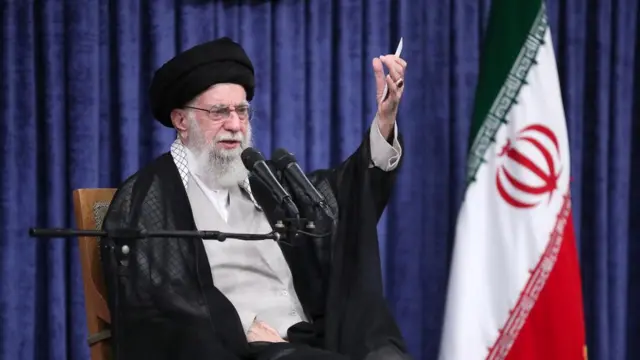 Image source, Reuters
Iran is no stranger to street protests, but several factors surrounding the current unrest make it very serious.
Iranian police and security forces have responded violently almost from the outset, and reports by human rights groups claim that more than 20 people have already been killed. Now eyes are on Trump, as the US president directly warns Iran’s leaders about the treatment of protesters.
International sanctions led by the United States have played a major role in worsening economic conditions in Iran, but they are not the full story. Many Iranians believe that certain officials and their relatives benefit directly from sanctions through special arrangements that allow them to profit from trade, oil revenue and money laundering networks.
Meanwhile, the 12-day war in the summer of 2025 between Iran and Israel marked a turning point. The conflict culminated in direct US involvement, including air strikes on Iranian nuclear facilities.
For years, Khamenei and his inner circle justified massive spending on regional allies and the nuclear programme as necessary investments in Iran’s long-term security and technological advancement.
Today, that argument appears increasingly hollow. As pressure builds both inside and outside the country, security at home, once presented as the ultimate payoff of those policies, seems more distant than ever.
You can read more from Amir Azimi on the situation in Iran here.
Related Posts

Stay Informed With the Latest & Most Important News
Previous Post
Next Post











Advertisement