Trump's Oil Comments Spark Debate Over America's Energy Reserves
A series of comments from President Donald Trump about America's energy situation is generating debate among political observers, energy analysts, and voters.
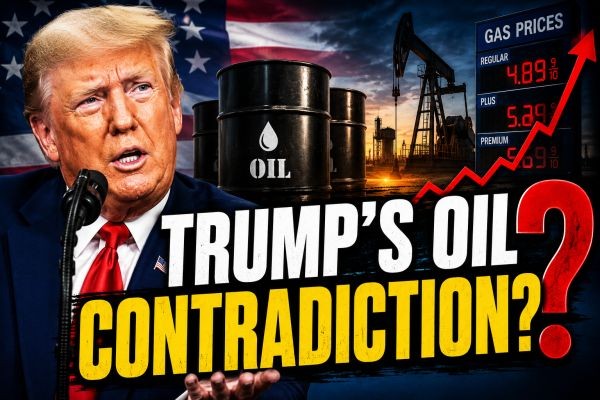
Critics say the remarks appear contradictory, while supporters argue the statements addressed different aspects of U.S. energy policy.
The discussion centers on whether America's energy independence means the country is protected from supply shortages and global market disruptions.
The Statements Raising Questions
Over the past several months, Trump has repeatedly emphasized America's domestic energy production and reduced reliance on foreign oil.
On March 9, Trump stated:
"We're now totally independent of the Middle East. We don't need their oil."
Then on April 1, he reinforced that position by saying:
"It doesn't really affect us. We have so much oil. We have tremendous oil and gas, much more than we need."
Those remarks were widely viewed as highlighting America's position as one of the world's largest energy producers.
However, a later statement sparked questions.
On June 17, Trump warned that without a memorandum of understanding he had approved, America could have faced a situation where it would:
"run out of reserves at about 4 weeks... we would really run out."
Why Critics See a Contradiction
Critics argue that the statements appear difficult to reconcile.
They ask a straightforward question:
- If America has "much more oil than we need,"
- Why would the nation be only weeks away from running out of reserves?
Some political commentators say the comments deserve further clarification because energy policy affects everything from gasoline prices to national security.
What Supporters Are Saying
Supporters argue that Trump's comments may have referred to different parts of America's energy system.
They note that terms such as "oil reserves" can refer to several different things, including:
- The Strategic Petroleum Reserve (SPR)
- Emergency government stockpiles
- Commercial inventories
- Refining capacity
- Specific supply disruptions
Under this interpretation, America can produce large amounts of oil while still facing temporary shortages or challenges involving reserve supplies.
Understanding Energy Independence
Energy experts often note that energy independence does not necessarily mean a country is immune from global market forces.
Even when domestic production is high, nations can still experience:
- Price increases
- Supply-chain disruptions
- Refinery bottlenecks
- Transportation challenges
- Geopolitical market shocks
Because oil is traded on a global market, events occurring thousands of miles away can still affect prices paid by American consumers.
Why Energy Policy Matters
The debate extends beyond political rhetoric.
Energy policy plays a major role in:
- Gasoline prices
- Inflation
- Economic growth
- National security
- Foreign policy decisions
As a result, statements from presidents and government officials about energy supplies often receive intense scrutiny.
The Bottom Line
Trump's recent comments have sparked a debate about the meaning of energy independence and the role of strategic reserves.
Critics see a contradiction between claims of abundant domestic energy and warnings about reserve shortages.
Supporters argue the comments addressed separate issues within America's complex energy infrastructure.
Whether the remarks represent a contradiction or simply reflect different aspects of energy policy remains a matter of political debate.
What Do You Think?
Do Trump's comments require further explanation?
Or are critics overlooking the difference between energy production and reserve capacity?
Share your thoughts in the comments below.