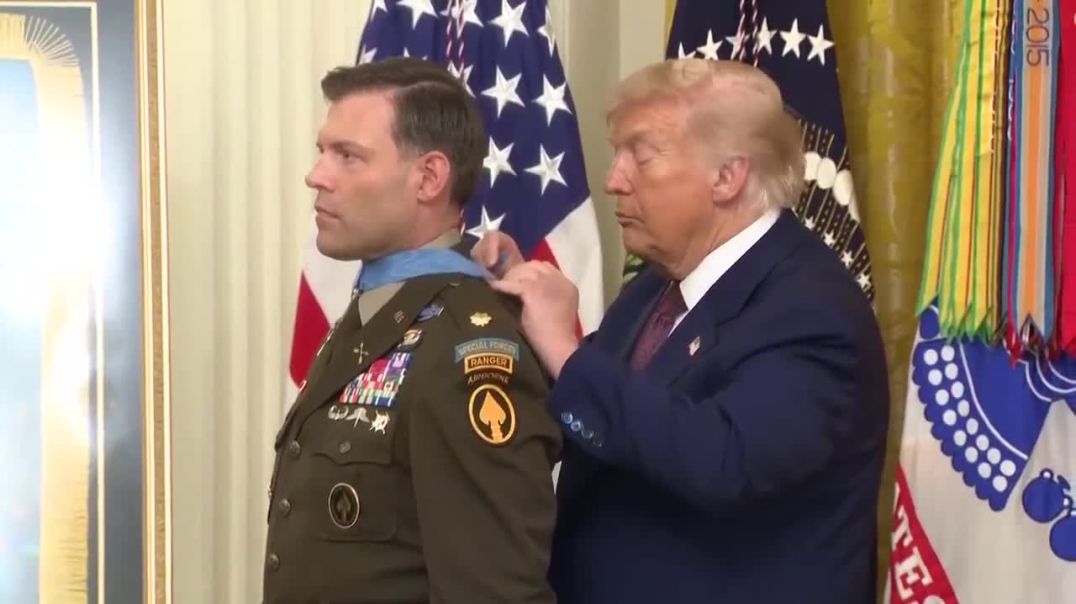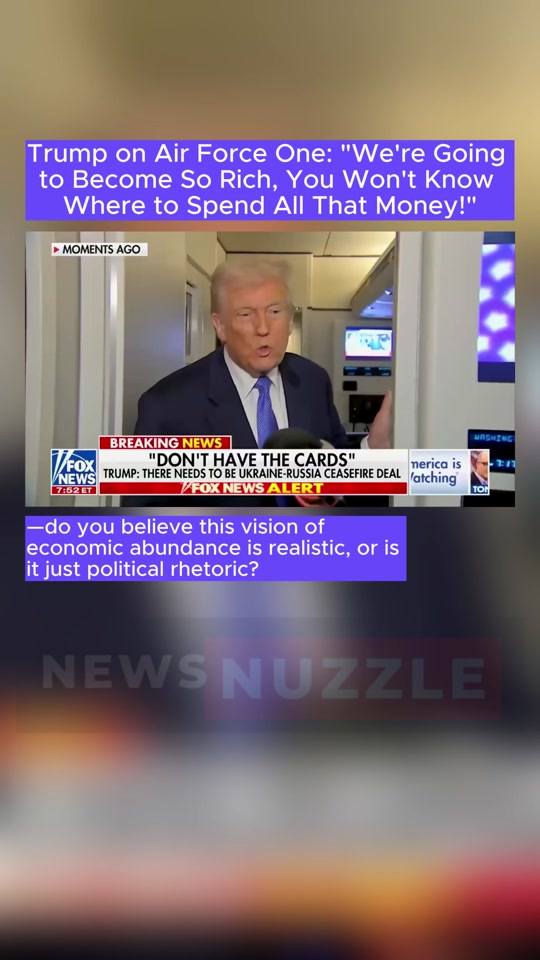
A brief exchange between President Donald Trump and a reporter has ignited a fresh debate about the limits of presidential power, constitutional authority, and the role of checks and balances in American government.
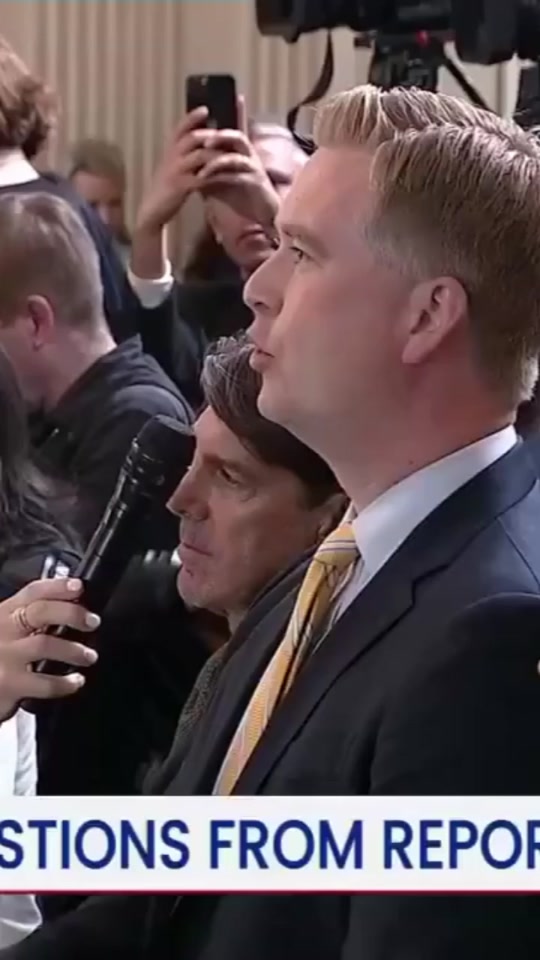
The moment occurred when a reporter asked Trump a question about what he had learned regarding the exercise of power and its limitations.
"What have you learned about not just the exercise of power, but the limits on your power as a result of the conflict?" the reporter asked.
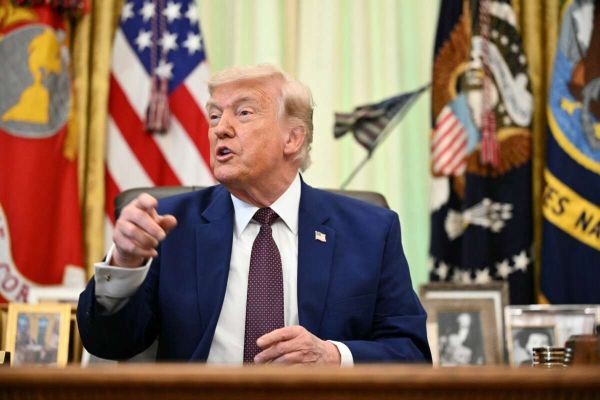
Trump responded:
"There are no limits."
The answer immediately drew attention.
The reporter followed up:
"No limits?"
Trump then elaborated:
"No, I haven't learned that lesson yet. I know there are, but you know, there are no limits."
Within hours, the clip spread across social media, generating sharply divided reactions from supporters and critics alike.
Why Critics Are Concerned
Critics argue that even joking about unlimited presidential authority raises legitimate concerns.
The American constitutional system was intentionally designed to prevent any one branch of government from accumulating unchecked power. Through congressional oversight, judicial review, federalism, and the separation of powers, the Constitution places limits on the executive branch.
For opponents, Trump's initial response reflects a troubling attitude toward executive authority, especially during a period when debates over presidential powers have become increasingly contentious.
Some legal scholars and political commentators argue that public statements from a sitting president matter because they can shape perceptions of executive authority and democratic norms.
Why Supporters Aren't Worried
Supporters see the exchange very differently.
Many argue that Trump was speaking casually and was not making a serious constitutional argument. They point to his follow-up statement—"I know there are"—as evidence that he acknowledged constitutional limits do exist.
Others view the comment as classic Trump rhetoric: an off-the-cuff remark delivered with exaggeration and bravado rather than a literal declaration about presidential authority.
To supporters, the controversy is another example of critics taking a brief comment out of context and assigning greater significance to it than intended.
The Larger Debate
Beyond the political reactions, the exchange touches on a longstanding question in American government:
How much power should a president have?
That debate becomes especially important during times of:
- National emergencies
- International conflicts
- Security crises
- Military operations
- Executive actions
- Economic disruptions
Every modern administration has wrestled with questions about the scope of executive authority. From war powers and emergency declarations to immigration policy and executive orders, presidents of both parties have tested the boundaries of their constitutional powers.
The balance between effective leadership and constitutional restraint remains one of the central tensions in American democracy.
Why This Matters
Whether Trump's comment was a joke, political hyperbole, or a revealing glimpse into his views on executive authority depends largely on who is interpreting it.
But the broader conversation is unlikely to disappear anytime soon.
As Americans continue debating the role of the presidency, moments like this serve as reminders that questions about power, accountability, and constitutional limits remain at the heart of the nation's political discourse.
One thing is certain: a single sentence can sometimes spark a much larger conversation about how government should work.
What Do You Think?
Was Trump's response simply a joke and political bravado?
Or does it reveal something more significant about how presidential power is viewed and exercised?
Share your thoughts in the comments below.